
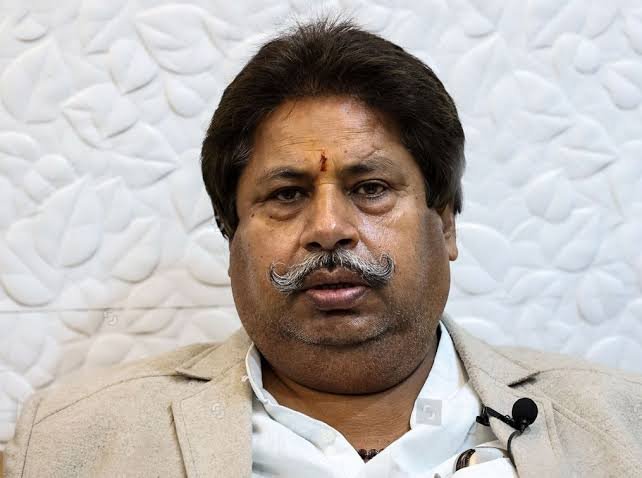
JAMMU — Jammu and Kashmir Congress working president Raman Bhalla on Tuesday cautioned that the proposed Indo-US trade deal, if implemented without adequate safeguards, could have long-term adverse consequences for farmers, youth and the local economy in Jammu and Kashmir.
Bhalla said a large section of the Union Territory’s population depends on agriculture, horticulture and allied sectors, making the region economically vulnerable.
“The agreement, if implemented without adequate safeguards, could have long-term adverse consequences for farmers, small businesses and unemployed youth in J&K. While international trade cooperation is important for economic growth, it must not come at the cost of domestic stability,” Bhalla said while addressing a programme here.
He warned that opening domestic markets to heavily subsidised American agricultural and industrial goods would tilt the playing field against Indian producers and undermine the country’s self-reliance.
“An influx of cheaper imported produce will suppress market prices for local farmers and directly hit their livelihoods,” he said, adding that growers are already grappling with erratic weather, high transportation costs and inadequate infrastructure.
Calling for transparency, Bhalla said trade agreements should involve wider consultations with stakeholders, including farmer organisations, trade bodies and representatives from states and Union territories.
“Economic growth must be inclusive, balanced and rooted in safeguarding our farmers, traders and youth,” he asserted.
He also flagged concerns over the impact on micro, small and medium enterprises (MSMEs) and local traders in the Jammu region, warning that reduced tariff barriers and easier access for multinational corporations could push small manufacturing units, retailers and service providers out of business.
Bhalla said the youth of Jammu and Kashmir are already facing limited job opportunities and prolonged recruitment delays, stressing that economic policies must prioritise job creation through local investment, industrial promotion and skill-based training.
He further expressed concern over rising inflation and increasing prices of essential commodities, saying any policy that raises living costs or reduces income opportunities must be carefully reconsidered.
He also pointed to gaps in civic amenities in parts of Bahu Fort and sought improved infrastructure, sanitation and public services. — (PTI)